
Premium Timber Products — Perth, WA
At Timberwest, we stock a wide range of timber products in Perth, Western Australia. All our products, from stair treads, decking, and cladding, to lining, floorboards and benchtops, are custom-run in Perth to your exact specifications. Our knowledgeable staff will work closely with you to ensure that the products we deliver are not only of the highest quality but also perfect for your specific needs.
Get in touch with us today to discuss your project and learn about our timber delivery or pickup options.
High-Quality Species of Wood
Regular Timbers

American Cherry
Natural Colour: Heartwood is a light pinkish brown when freshly cut, darkening to a medium reddish brown with time and upon exposure to light. Sapwood is a pale yellowish color.
Features and Benefits: Cherry is known as being one of the best all-around woods for workability. It is stable, straight-grained, and machines well.
Common Uses: Cabinetry, fine furniture, flooring, interior millwork, veneer, turned objects, and small specialty wood items.

European Cherry
Natural Colour: Heartwood is a light pinkish brown when freshly cut, darkening to a deeper golden brown with time and upon exposure to light. Sapwood is a pale yellowish color, typically 1-2″ wide.
Features and Benefits: Sweet Cherry is easy to work with both machine and hand tools. The only difficulties typically arise if the wood is being stained, as it can sometimes give blotchy results due to its fine, close grain. A sanding sealer or gel stain is recommended. Glues, turns, and finishes well.
Common Uses: Veneer, furniture, cabinetry, turned objects, musical instruments, and carvings.

American Rock Maple
Natural colour: Unlike most other hardwoods, the sapwood of Hard Maple lumber is most commonly used rather than its heartwood. Sapwood color ranges from nearly white, to an off-white cream color, sometimes with a reddish or golden hue. The heartwood tends to be a darker reddish brown.
Features and Benefits: Fairly easy to work with both hand and machine tools, though slightly more difficult than Soft Maple due to Hard Maple’s higher density.
Common Uses: Flooring (from basketball courts and dance-floors to bowling alleys and residential), veneer, paper (pulpwood), musical instruments, cutting boards, butcher blocks, workbenches, baseball bats, and other turned objects and specialty wood items.

American Walnut
Natural Colour: Heartwood can range from a lighter pale brown to a dark chocolate brown with darker brown streaks. Color can sometimes have a grey, purple, or reddish cast. Sapwood is pale yellow-gray to nearly white. Figured grain patterns such as curl, crotch, and burl are also seen.
Features and Benefits: Typically easy to work provided the grain is straight and regular. Responds well to steam bending.
Common Uses: Furniture, cabinetry, gunstocks, interior paneling, veneer, turned items, and other small wooden objects and novelties.

European Walnut
Natural colour: Heartwood can range from a lighter pale brown to a dark chocolate brown with darker brown streaks. Color can sometimes have a gray, purple, or reddish cast. Sapwood is nearly white.
Features and Benefits: Typically easy to work provided the grain is straight and regular.
Common Uses: Furniture, cabinetry, gunstocks, interior paneling, veneer, turned items, and other small wooden objects and novelties.

American Oak
Natural Colour: The sapwood of American white oak is light coloured and the heartwood is light to dark brown.
Features and Benefits: Considering its density, the timber can be worked fairly readily, taking a smooth finish. The timber can be glued, stained and polished and takes nails and screws well.
Common Uses: White Oak is used for a wide range of constructional work, including ship and boat building. As well as flooring, furniture, carving, benchtops and stair treads.

European Oak
Natural Colour: Heartwood is a light to medium brown, commonly with an olive cast, though there can be a fair amount of variation in color. Nearly white to light brown sapwood is not always sharply demarcated from the heartwood.
Features and Benefits: Produces good results with hand and machine tools. Can react with iron (particularly when wet) and cause staining and discoloration. Responds well to steam-bending. Glues, stains, and finishes well.
Common Uses: Cabinetry, furniture, interior trim, flooring, boatbuilding, barrels, and veneer.

American White Ash
Natural Colour: The heartwood is a light to medium brown color. Sapwood can be very wide, and tends to be a beige or light brown.
Features and Benefits: Produces good results with hand or machine tools. Responds well to steam bending. Glues, stains, and finishes well.
Common Uses: Flooring, millwork, boxes/crates, baseball bats, and other turned objects such as tool handles.

Blackbutt Eastern States
Natural Colour: The heartwood is golden brown, often with narrow bands of darker colour indicative of the growth rings. Sometimes reddish streaks are also present.
Features and Benefits: Hard, heavy and naturally durable timber. Easy to work and good for steam bending. Nails and glues well. Can suffer from movement in certain situations.
Common Uses: Joinery, linings, cladding, flooring, decking, external structures, kitchen benchtops, stair treads, furniture, decorative veneer, panelling, carving, turnery, flooring, boat building and gun stocks.

Brushbox
Natural Colour: The colour of the Heartwood can vary from a greyish pink to a reddish brown and the sapwood colour is usually paler.
Features and Benefits: Brushbox is generally more durable than engineered flooring and is able to be sanded and finished over time.
Common Uses: Joinery, Linings, Cladding, Flooring, Decking, External Structures.

European Beech
Natural Colour: Beech is typically a pale cream color, sometimes with a pink or brown hue. Veneer tends to be slightly darker colored, as slicing the veneer usually requires the wood to be prepared with steam, which gives the wood a more golden tone.
Features and Benefits: Overall good workability; it machines well, and glues, finishes, and turns well. Beech also responds superbly to steam-bending.
Common Uses: Lumber, veneer, flooring, boatbuilding, furniture, cabinetry, musical instruments (piano pinblocks), plywood, and turned objects.

Jarrah
Natural colour: Heartwood color ranges from a light red or brown to a darker brick red; tends to darken with exposure to light. Thin sapwood is a pale yellow to pink.
Features and Benefits: Jarrah is rated as very durable regarding decay resistance, and it is also quite resistant to insect attack.
Common Uses: Flooring, heavy construction, veneer, cabinetry, outdoor furniture, kitchen benchtops and turned objects.

Marri
Natural Colour: Marri’s yellow to pale brown heartwood and paler to white sapwood contrast beautifully with the dark red gum that features on the tree’s trunk.
Features and Benefits: Marri is popularly used for household and fine furniture and makes attractive flooring. It can also be used for general construction, handles, oars and sporting equipment, while preservative treated marri is useful for piles, poles and posts.
Common Uses: Flooring, heavy construction, veneer, cabinetry, outdoor furniture, kitchen benchtops and turned objects.

Meranti
Natural Colour: Typically a dark reddish or purplish brown; commonly with white resin streaks present.
Features and benefits: Meranti is widely harvested and available worldwide. It should be moderately priced despite the fact that it is imported. Meranti is typically easy to work with.
Common uses: Plywood, interior furniture, general construction, concrete forms, veneer, and boatbuilding.

Rosegum
Natural Colour: The heartwood ranges in colour from pale pink to red brown. Sapwood is usually paler in colour but is not always clearly differentiated.
Features and Benefits: Machines and turns well to a smooth surface.Can be satisfactorily bonded using standard procedures.No difficulty has been experienced with the use of standard fittings and fastenings.
Common Uses: Structural plywood, boat building (framing components, planking, decking). Has been used for boat oars, dowel rods, broom handles, brush ware, fruit cases.

Sheoak
Natural Colour: Heartwood is pink to reddish brown, sometimes with darker blackish streaks. Somewhat well-defined sapwood is a light yellowish brown.
Features and Benefits: Moderately durable or Durable. No characteristic odor.
Common Uses: Flooring, cabinetry, tool handles, and other turned objects.

Spotted Gum
Natural Colour: The heartwood ranges from light brown through definite browns to deep red-brown hues. Sapwood is white to light brown in colour.
Features and Benefits: Spotted gum is a suitable carving and woodturning timber and is used in the manufacture of both indoor and outdoor furniture. Outdoor furniture in spotted gum has consistently won industry awards in Australia and is exported to destinations around the world.
Common Uses: Framing, flooring, lining, decking, cladding, kitchen benchtops and stair treads.

Sydney Blue Gum
Natural Colour: The heartwood of Sydney blue gum ranges in colour from dark pink to reddish brown. The sapwood is usually sufficiently paler to be readily distinguished. Texture moderately coarse and even. Relatively easy to work.
Features and Benefits: Sydney blue gum is easy to work, dress and fix. It responds well to most finishes and takes a good polish, making it popular for decorative applications where moderate durability is required.
Common Uses: General building purposes, panelling, boat building, framing, flooring, lining, decking and cladding. Has potential as a heavy furniture timber and for structural plywood.

Tasmanian Blackwood
Natural Colour: A large hardwood growing in abundance in the coastal forests between Bega, New South Wales and Maryborough, Queenland. The color can be highly variable, but tends to be medium golden or reddish brown, similar to Koa or Mahogany. The heartwood tends to be pale brown, but northern material may sometimes have a slight pinkish tinge. The sapwood is distinctively paler. Texture medium and even. Grain usually straight. Gum veins common.
Features and Benefits: Australian Blackwood is easily worked with both hand and machine tools. Australian Blackwood turns, glues, stains, and finishes well. Responds well to steam bending.
Common Uses: Veneer, furniture, cabinetry, musical instruments, gunstocks, turned objects, and other specialty wood objects.

Tasmanian Oak
Natural Colour: Heartwood pale to light brown in colour with a pinkish tinge. Sapwood is pale yellow, usually distinguishable from the heartwood.
Features and Benefits: It works extremely well and produces an excellent finish. It can be used in all forms of construction and in interior applications such as paneling and flooring. It can be glue-laminated to cover long spans.
Common Uses: Cladding, construction, Flooring, Furniture, Joinery, door and window frames, cabinetry, skirtings, mouldings, kitchen benchtops, stair treads and architraves.

Western Red Cedar
Natural Colour: Heartwood reddish to pinkish brown, often with random streaks and bands of darker red/brown areas.
Features and Benefits: Easy to work with both hand or machine tools.Western Redcedar has a strong, aromatic scent when being worked.Western Redcedar has been rated as durable to very durable in regard to decay resistance.
Common Uses: Shingles, exterior siding and lumber, boatbuilding, boxes, crates, and musical instruments.
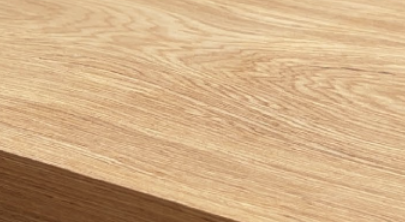
Onewood
Natural Colour: Onewood is constituted of majority natural wood fiber. Its high natural fiber content result in tonality differences within each piece, and between different pieces of Onewood. The grains of Onewood defer in every piece / batch and they are homogeneous just like natural timber. Oxidation may occur slowly over time and slightly darken the colour of Onewood.
Features and Benefits: Wood grains that look and feel just like natural timber. Each plank consists of randomised grains and knots are visible. Onewood has a resemblance with natural oak timber.
Common Uses: Outdoor decking, Interior flooring, Staircase tread, Timber handrail, Furniture, Customised timber works, Decorative cladding, Facade and joinery
CONTACT US NOW!
Get a Free Quote
Trusted by Customers

